One Base or Several Stops? Choosing a Trip’s Shape
One base or several stops? Compare travel time, daily variety and unpacking to choose a trip shape that fits your route and the way you like to explore.

The common mistake in choosing one base or several stops is counting destinations instead of the time spent reaching them. That can turn a trip meant for changing scenery into a string of check-ins, or leave a curious traveller staying put while worthwhile places remain awkwardly far away. The better choice depends on the geography of the route and how much settled time you want.
Use these five considerations to decide whether to unpack once or move between places. The aim is not to visit the most locations; it is to make the journey between them feel like part of the trip rather than an interruption.
1. Map the distances
Start with a map, not a list of attractions. Mark the places you genuinely want to visit, then note the likely travel connections between them: a direct train, a ferry with a limited timetable, a winding road or a flight that requires an additional transfer. Nearby on a map does not always mean easy to reach.
A single base suits a compact area with reliable routes radiating out from one town or city. Several stops make more sense when the main places sit along a natural corridor, such as a railway line through neighbouring cities, or when returning to one base would repeatedly send you back the way you came.
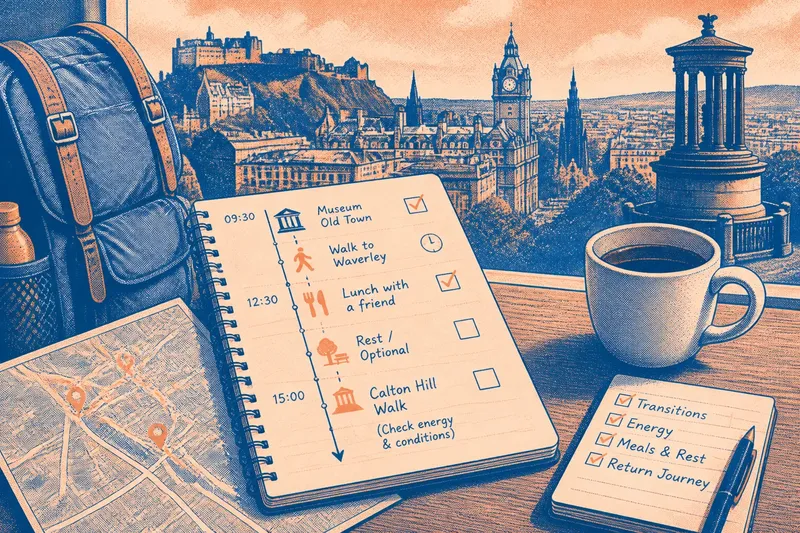
Count the whole transfer, not just the time shown for the train or bus. Include getting to the station, waiting, reaching the next lodging and settling in. Those transitions occupy useful daylight and can make a seemingly brief move feel like a large part of the day.
2. Weigh settled days
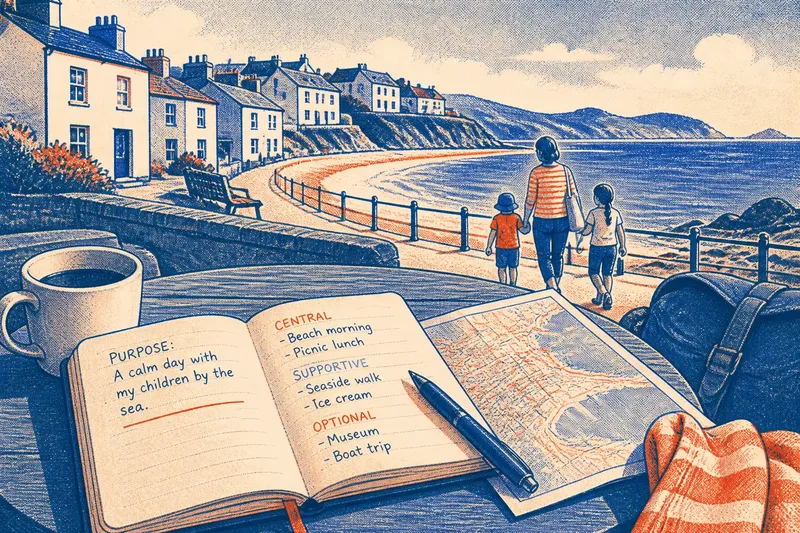
A base gives you a familiar starting point. You can learn the local streets, leave items you do not need for the day in your room and return without arranging another arrival. This can be especially welcome on a trip built around walking, swimming, food markets or time outdoors, where repeating a simple daily routine has its own appeal.
Several stops trade some of that ease for a closer relationship with each place. Staying overnight may let you see a destination after day visitors have left or before they arrive. It can also make sense when the character of the trip depends on contrasts between places rather than excursions from a single centre.
Consider what “settled” means to you. It need not mean spending every day close to the lodging: a base can support long day trips. But if the planned outings are so far apart that each begins with a lengthy return journey, changing location may give the route a more natural flow.
3. Compare day-trip friction
For each planned outing, ask how easy it is to get there and back without rushing. A direct service and a walkable destination may make a day trip straightforward. A route involving several connections, an early departure or a final service that leaves little room for delay may make an overnight stay more attractive.
Think about the return as carefully as the outward journey. A late meal, a performance or a long walk can be less enjoyable if you are watching the clock for the last connection. Conversely, a day trip may be perfectly comfortable when services are frequent and the return journey is short.
Imagine you want to visit a coastal town and a hill village from a city base. If the village is reached by a direct daytime bus but the coast lies on a convenient onward rail route, you might keep the city as your base for the village and stay one night by the sea before continuing. The expected result is a simpler return from the inland outing and less backtracking on the coastal leg, without changing accommodation every night.
4. Price the transitions
Compare more than the room rate. A move can add a taxi, luggage storage, an extra local fare or a meal bought while waiting. A single base may involve repeated journeys to distant sights instead. Write down the likely costs of both patterns, using current transport and accommodation details rather than assuming one option is automatically cheaper.
Also consider what you will do with the hours around check-in and check-out. A place to store a bag can make a transfer day more useful; without one, you may need to stay near the station or carry belongings for longer than you would like. Ask lodging providers about their arrangements before building a day around them.
The choice resembles deciding whether to keep tools in one workshop or carry them to each job: moving them can bring you closer to the work, but each move takes attention. On a trip, the equivalent cost is not only money. It includes the small decisions involved in packing, checking out, finding the next place and getting oriented again.
5. Match the route to you
Your preferred pace matters as much as the map. If you enjoy returning to familiar cafés and noticing how a neighbourhood changes through the day, a longer stay can be the point rather than a compromise. If you like comparing landscapes, architecture or local food across places, a route with several stops may keep your interest alive.
Think about the people travelling with you, too. A group with different energy levels may appreciate a base where someone can rest while others go out. Travellers who want to share each destination together may prefer fewer, well-spaced moves rather than daily changes of lodging.
- Choose one base when several priority sights are easy day trips from the same place.
- Choose several stops when the route follows a clear line and each overnight stay reduces backtracking.
- Keep a longer stay where you want unhurried local routines or flexible days.
- Add an overnight stop when a return connection would constrain an evening or an early start.
- Remove a stop if its main purpose is to fill a gap rather than bring a distinct experience.
Which trip shape fits?
Is one base better for a short trip?
It often is when the main places are nearby and changing accommodation would consume a noticeable share of the visit. A short trip can still include day excursions, provided the connections are practical for the hours you have.
How many nights should I spend in each stop?
There is no useful fixed number: consider what you want to do there and how much time arrival and departure will take. If a stop leaves little time beyond travel and checking in, ask whether the destination merits an overnight stay or belongs in a different trip.
Can I combine a base with several stops?
Yes. Keep a main base for nearby excursions, then add an overnight stop where geography or a late return makes it useful. This hybrid shape can preserve settled days without forcing every destination into a return journey.
Should I book every stop in advance?
That depends on the season, local demand and how much flexibility you want. Check lodging and transport conditions for your dates before deciding how much of the route to commit to.
Choose with intention
Before booking, lay the route out in order and mark each transfer beside the place it connects. If a move brings you closer to a distinct experience or removes an awkward return, it has a clear purpose; if it merely adds another pin, reconsider it. For one base or several stops, the strongest trip shape is the one that leaves enough time to enjoy both the places and the spaces between them.